
Establish the fault and repair scope first where practical. Then compare the condition, parts position, expected work and suitability of the current system with a complete replacement quote.
Start with what is known.
A boiler’s age alone does not tell you which part has failed or whether repair is sensible. Ask for the findings, the recommended work and what remains uncertain. A recurring problem deserves a clear explanation rather than another unconnected replacement part.
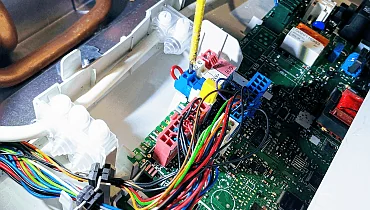
Compare complete costs.
A repair quote should say what parts, labour and return work it covers. A replacement quote needs the boiler, installation work, controls, any system preparation, commissioning and handover clearly described. The cheapest-looking line is not useful when the scopes differ.
Consider the home, not just the old boiler label.
Changes in hot-water demand, room layout or the heating system can affect a replacement specification. A new boiler is not selected simply by copying the old rating or assuming a larger output is better. Tell the engineer what works well and what does not.
Ask what the warranty actually requires.
Warranty length, registration, servicing requirements and exclusions depend on the chosen appliance and arrangement. Compare the written terms. A longer headline warranty is not a promise that all work on the whole heating system is included.
Keep the choice yours.
Gas Champion offers repairs as well as replacements. You can ask for the repair findings and consider a separate replacement quotation. There is no claim here that replacement always saves a fixed amount or that every older boiler must be changed.